
A2L Refrigerants: What MEP Engineers Need to Know
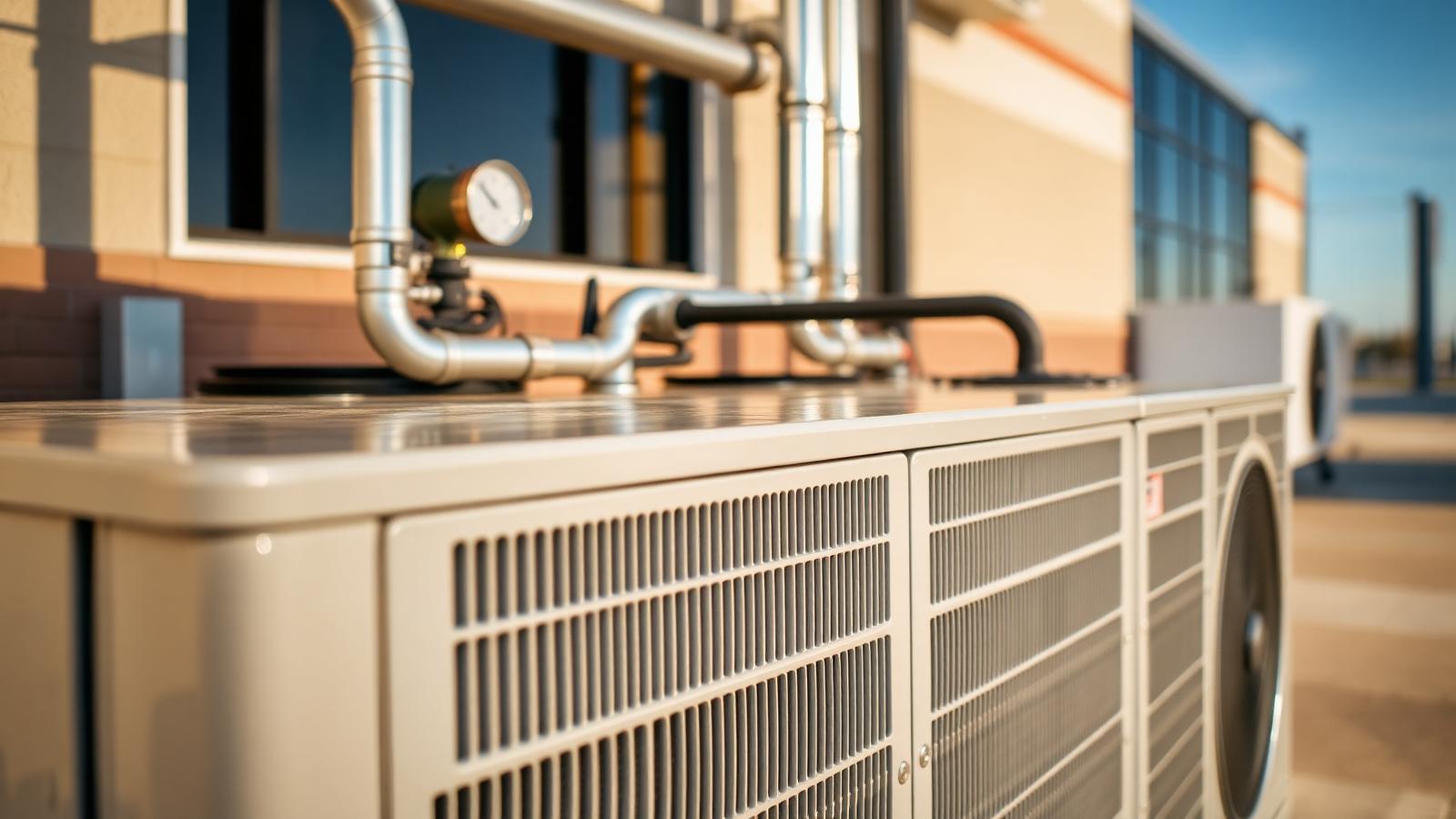
The 2025 transition to A2L refrigerants is the biggest change to HVAC equipment selection in a generation. R-410A is being phased down under the AIM Act, and manufacturers have already moved their splits, packaged units, VRF, and rooftop equipment over to R-454B or R-32. For MEP engineers, this is not a future problem. It is shaping the equipment we are specifying today.
What "A2L" actually means
ASHRAE Standard 34 classifies refrigerants by toxicity and flammability. The "A" means lower toxicity. The "2L" means lower flammability with a maximum burning velocity below 10 cm/s. A2Ls are not non-flammable like R-410A (A1), but they are also nothing like propane (A3). They will not ignite from a hot motor or a typical electrical arc, and they self-extinguish quickly.
That nuance matters because the codes treat A2Ls with their own rules — not the old A1 rules and not the A3 hydrocarbon rules.
The code landscape
Three documents drive almost every A2L design decision:
- ASHRAE 15-2022 — safety standard for refrigeration systems, with new charge limits, leak detection, and mitigation requirements for A2Ls.
- UL 60335-2-40 — equipment standard manufacturers must meet for A2L-rated units.
- IMC and IFC 2024 — adopted in most Texas jurisdictions, these reference the updated ASHRAE 15 tables directly.
If your jurisdiction is still on the 2021 IMC, confirm with the AHJ early. A surprising number of plan reviewers are reading the new equipment cut sheets against an older code, and we have seen comments that simply do not apply.
What changes in design
For most commercial projects the practical impact lands in a few specific places:
Refrigerant charge limits per occupied space
ASHRAE 15 sets a maximum refrigerant concentration for the smallest conditioned space served by a system. For VRF and large splits, this often controls equipment selection in small offices, hotel rooms, and residential units. Run the calculation early — do not assume the manufacturer's standard schedule will pass.
Leak detection and mitigation
Equipment listed to UL 60335-2-40 includes a factory leak detection sensor and a mitigation sequence (fan run-on, valve isolation, shutdown). Our job is to make sure the controls scope, the BAS points list, and the electrical feeds to the indoor units actually support that sequence. We have seen specs that quietly delete the dedicated mitigation circuit because the reviewer did not realize it was required.
Indoor unit location
A2L charge limits are tied to the floor area of the conditioned space. Placing a fan coil in a small electrical closet or a tight server room can fail the calculation even when the same unit passes easily in an open office. Coordinate with mechanical and architectural early.
Mechanical room ventilation
Machinery rooms with A2L equipment need ventilation sized to the refrigerant in the largest system, with detection that activates the ventilation and shuts down ignition sources. The old "small machine room with a louver" approach does not survive plan review.
What changes in construction
A2L systems require nitrogen purging during brazing — the flammability classification is irrelevant to a properly purged joint, but uncontrolled torch work on a charged system is now a real concern. Our construction administration reviews flag a few recurring field issues:
- Service valves left capped when the spec required schrader caps with seals
- Leak sensors disconnected during commissioning and never reconnected
- BAS integrators skipping the mitigation sequence test because "the unit comes with it"
A short A2L-specific checklist in the commissioning scope catches almost all of these before substantial completion.
What we are doing on active projects
For projects with equipment delivery in 2026 and beyond, we are:
- Specifying A2L-rated equipment as the basis of design and not allowing R-410A substitutions
- Running per-space concentration calcs for every VRF and split system at schematic design
- Adding A2L commissioning line items to Division 23 and Division 25 specs
- Updating our standard details for refrigerant piping, sensor locations, and mitigation wiring
If you are mid-design on a project that started under R-410A assumptions, it is worth a short conversation before bid documents go out. A two-hour review now is significantly cheaper than a redesign during submittals.
A2L is not a hypothetical. It is the equipment showing up on the jobsite next quarter. The engineers who get ahead of it produce drawings that pass review the first time and units that actually start up.
Have a project to discuss?
V3's licensed PEs deliver coordinated MEP design across Texas and beyond.
Start a conversation