
Grease Waste Design That Survives the Health Inspector
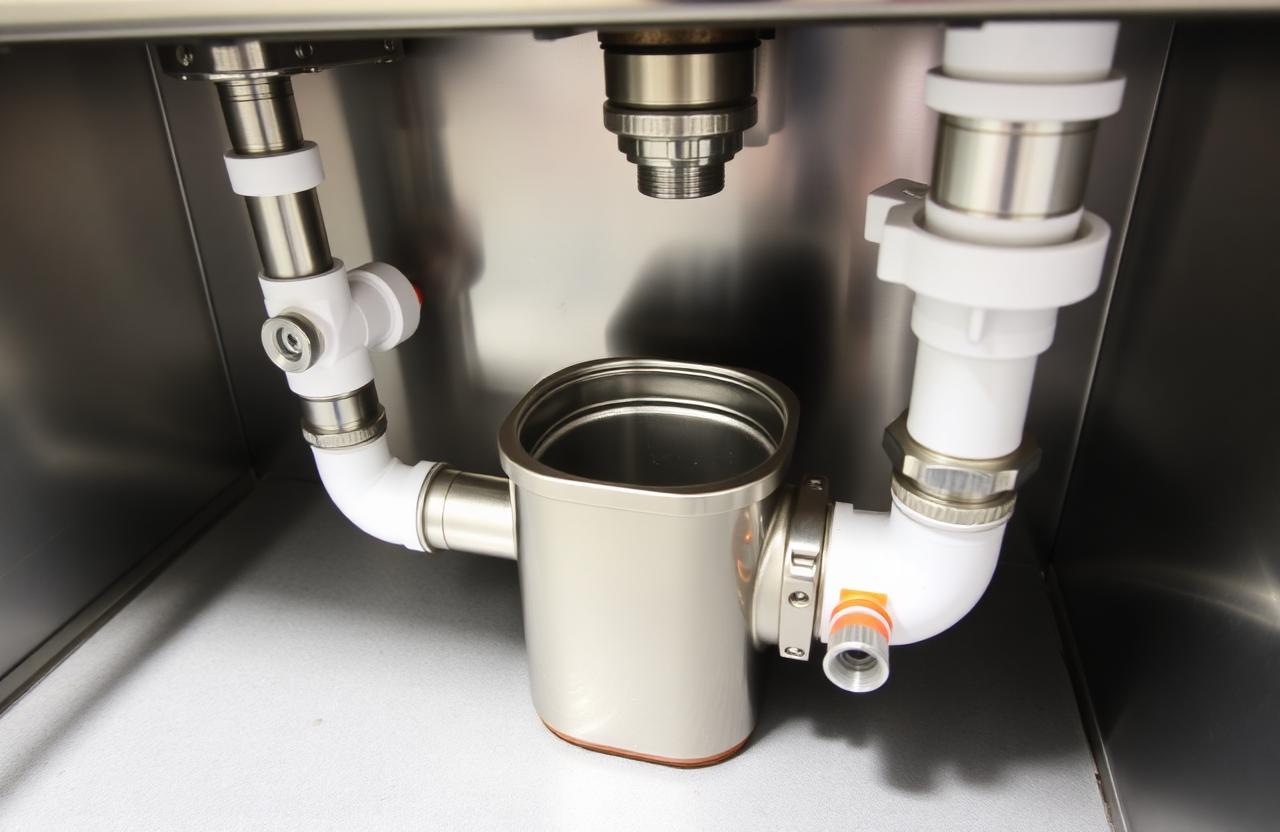
Why grease systems fail
Most grease waste failures are not equipment failures. They are sizing, venting, and access failures that were baked in during design.
The three issues we see repeatedly:
- Interceptors sized on fixture count instead of actual flow and retention time.
- Solids interceptors omitted upstream of hydromechanical units, which then clog within months.
- Cleanouts located where no one can actually reach them with a cable machine.
V3's grease waste checklist
Sizing. We size by drainage fixture units and confirm against PDI G101 flow-through ratings. For hydromechanical interceptors we verify the unit can handle the peak draining flow from the largest connected fixture, not just the calculated DFU load.
Solids separation. Any kitchen with a pre-rinse spray, garbage disposer, or wok range gets a dedicated solids interceptor ahead of the grease unit. This single decision extends grease interceptor service intervals from weeks to months.
Venting. Grease waste lines need full venting. We do not accept wet-vented grease branches, even when the code arguably allows it. A grease line that loses its trap seal will pull sewer gas into the kitchen.
Access. Every cleanout gets a real reach radius drawn on the plan. If a kitchen layout change moves equipment over a cleanout, we catch it during coordination, not after the first clog.
What we hand the operator
A simple maintenance schedule keyed to the actual fixtures: pump-out intervals, recommended enzyme dosing if any, and a labeled cleanout map. Health inspectors notice when the kitchen staff can answer their questions without calling the GC.
Have a project to discuss?
V3's licensed PEs deliver coordinated MEP design across Texas and beyond.
Start a conversation