
MEP Constructability: Designing for the Builder, Not Just the Code
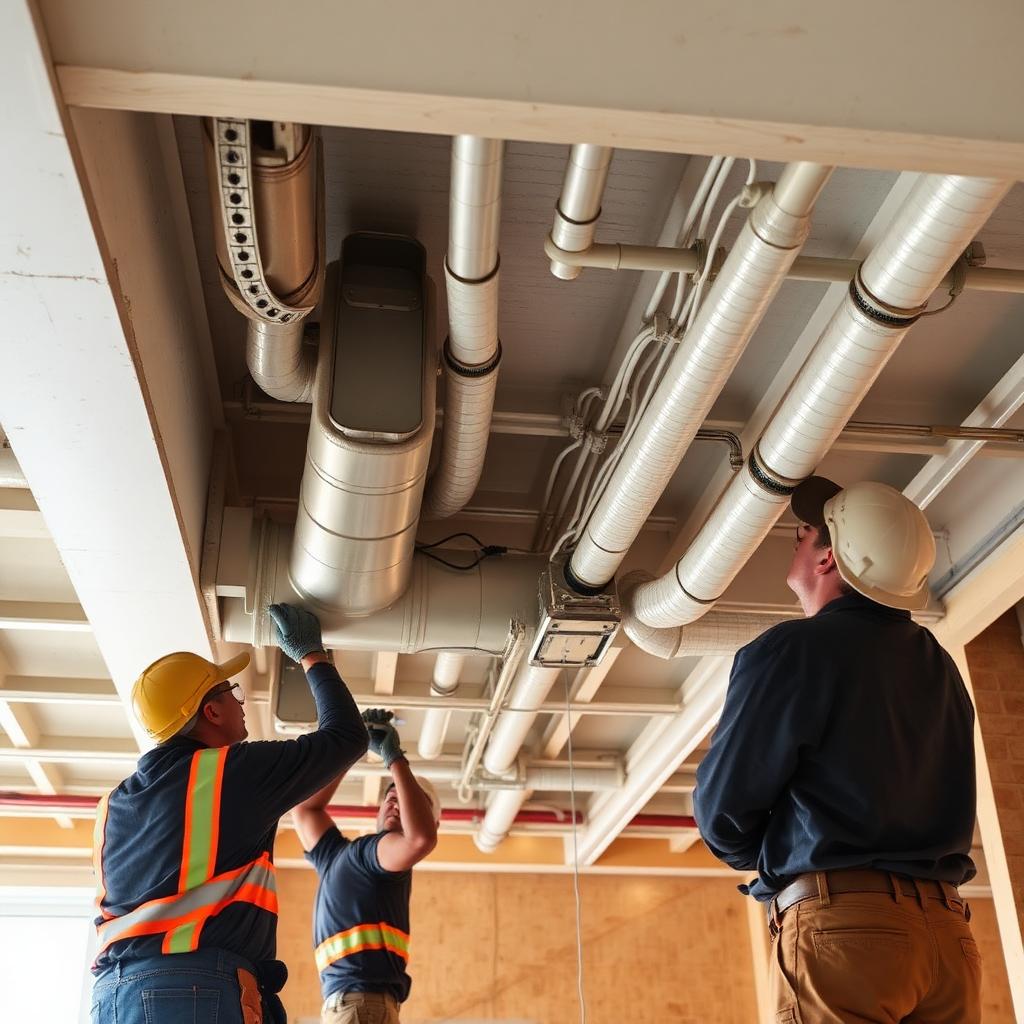
A passing code review does not mean a buildable set of drawings. Every week we see beautifully rendered MEP plans that fall apart the moment a sheet-metal foreman, an electrician, or a plumber tries to install them in a real ceiling cavity. Constructability is the discipline of designing for the people who actually swing the tools.
What constructability means in practice
For our mechanical team, it means modeling duct elevations against structure before issuing for permit — not after a clash report from the GC. For electrical, it means sizing gear rooms with NEC working clearances and the path the gear will take through the building on install day. For plumbing, it means coordinating slab penetrations with the structural engineer before the mat is poured.
Three habits that change outcomes
- Walk the ceiling. Before we sign and seal, a PE pulls up the architectural reflected ceiling plan, the structural framing plan, and our MEP layouts on the same screen. If we cannot find 12 inches of clear plenum, we redesign.
- Write the spec for the local trade base. A spec copy-pasted from a different market burns weeks in RFIs. V3 writes against the equipment that is actually stocked and serviceable in our project's region.
- Stay engaged through CA. Drawings are a snapshot; buildings are a process. Our construction administration workflow is how a constructable design stays constructable.
Why this matters for owners
A constructable set shortens schedule, reduces change orders, and protects the pro-forma. It is the single biggest reason developers come back to V3 project after project — see our philosophy and the projects we have delivered on it.
Have a set you want a second set of eyes on? Talk to us.
Have a project to discuss?
V3's licensed PEs deliver coordinated MEP design across Texas and beyond.
Start a conversation